
Mouse and Rat Control in Lancaster County
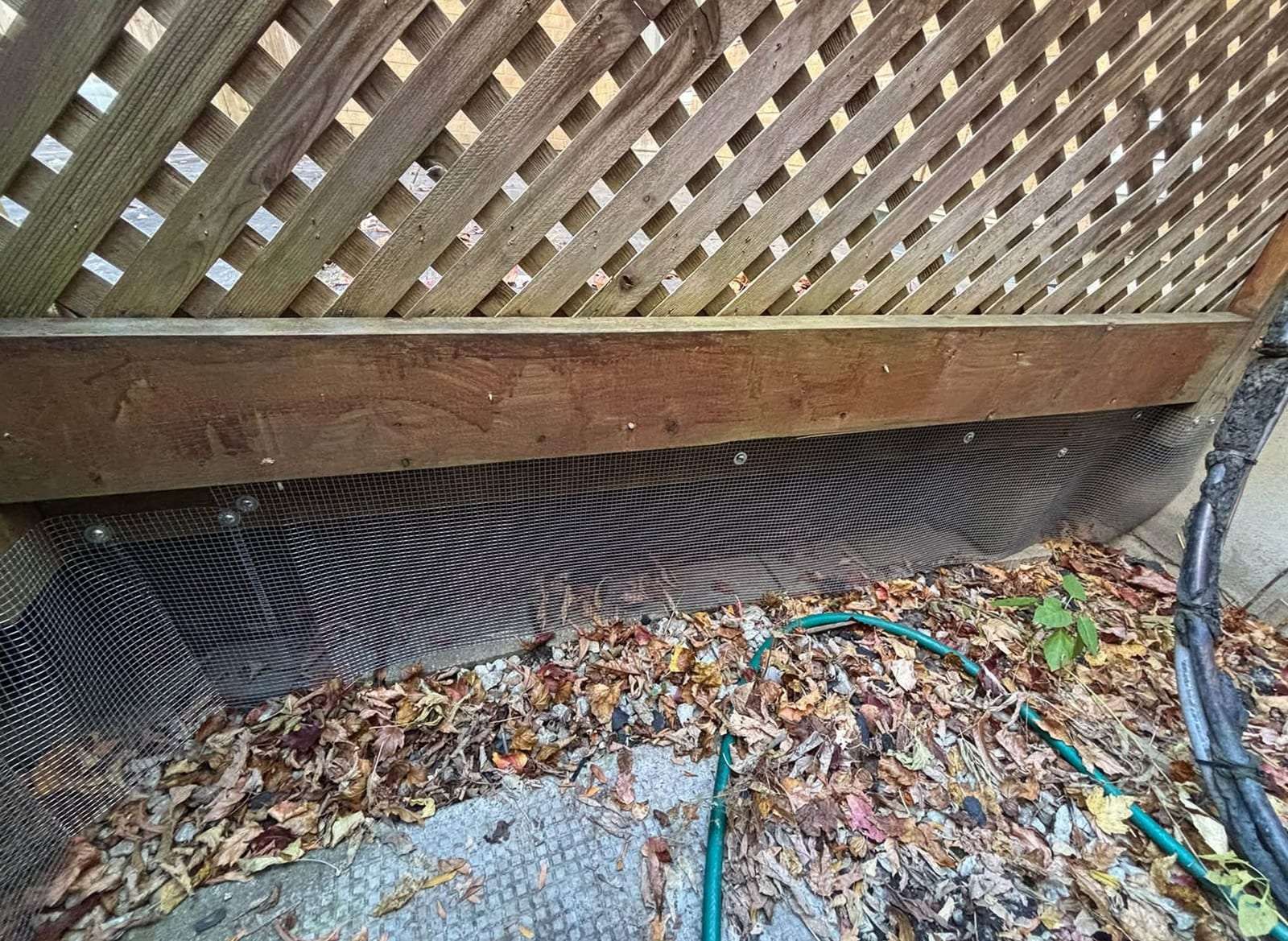
Mice and rats get into Lancaster County buildings of every age, from stone farmhouses to city rowhouses and garages in newer subdivisions. A house mouse can squeeze through a gap about as wide as a pencil, and a young rat through one about 1/2 inch across, so even a well-kept house has more ways in than it seems.
That is why trapping alone seldom ends the problem. Marticville Pest Control combines trapping with rodent exclusion, which means sealing the gaps in foundations, vents and rooflines so the animals do not simply come back. Exclusion relies on materials rodents cannot chew through: galvanized wire mesh, copper mesh, sheet metal and mortar. Expanding foam alone does not stop them.
Gnaw Marks, Rub Marks and Droppings
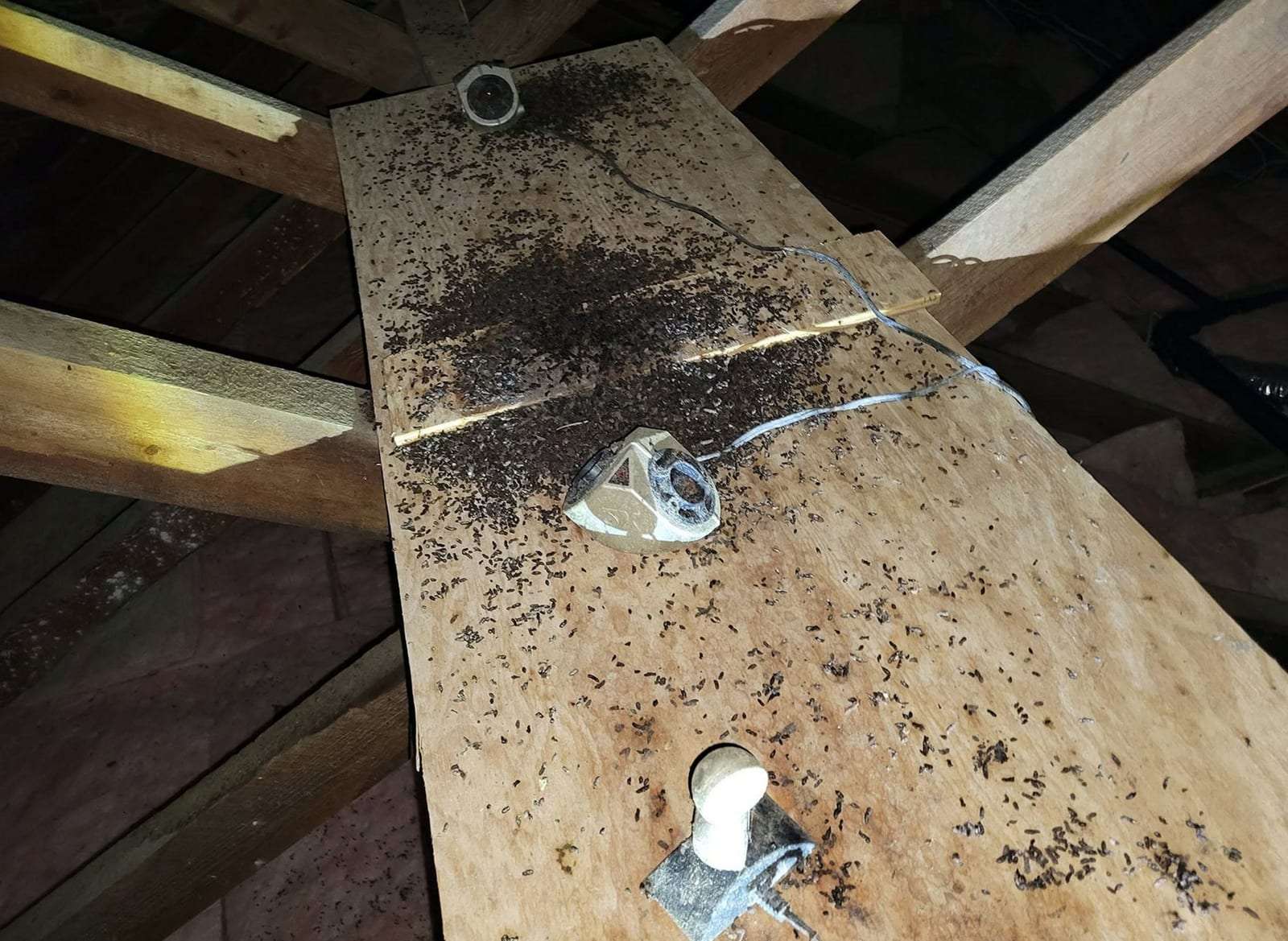
Mice and rats are seldom seen before their signs are. Droppings gather where they feed, rest and travel: along walls, in drawers and pantries, under sinks and across attic boards near the way in. Mice often settle high in a house, in attics and the tops of walls. Norway rats, the usual rat around Lancaster, burrow outside and keep to basements, crawl spaces and the ground floor.
Do not sweep or vacuum droppings while they are dry. Wet them with a disinfectant or a bleach solution, let it soak for five minutes, and wipe them up with paper towels while wearing gloves.
| Sign | Mouse | Rat | What it tells you |
|---|---|---|---|
| Droppings | About 1/4 inch, pointed ends, scattered | Up to 3/4 inch, blunt ends, in clusters | Fresh, dark ones mean current activity |
| Gnaw marks | Fine scratches; neat holes in packaging | Rough, wide tooth marks on wood, pipes and door corners | Where they feed or try to get through |
| Rub marks | Faint and seldom noticed | Dark, greasy smears along walls, beams and pipes | A regular route, often to the way in |
| Nests and burrows | Shredded paper or insulation in drawers, walls and appliances | Burrows by foundations, under slabs and woodpiles | Where they live, inside or out |
| Sounds | Light, quick scratching in walls and ceilings | Heavier scrambling and gnawing, mostly low in the house | Which part of the building they use |
| Smell | A sharp, musky odor in closed cabinets | A stale, stronger odor near runs and burrows | Activity that has gone on for a while |
Gaps Mice and Rats Use to Get Inside
In older buildings the openings tend to be low on the foundation, where the wooden frame meets the stone, and wherever a pipe, wire or vent passes through a wall.
| Entry point | Why rodents use it | Typical fix |
|---|---|---|
| Stone foundation gaps | Old mortar between fieldstones crumbles, leaving holes at ground level | Copper or stainless mesh packed into the gaps, the joints repointed with mortar |
| Rim joists and sill plates | Gaps where the house frame sits on the foundation, often behind insulation | Copper mesh and sealant, or foam backed with mesh |
| Pipe and dryer-vent openings | Holes cut larger than the line they carry, and vent flaps that stick open | Mesh and sealant at pipes; a dryer-vent guard (plain screen clogs with lint) |
| Garage and side doors | Worn bottom seals and gaps at the corners | A new bottom seal, corner pads and door sweeps |
| Rooflines and eaves | Gaps at the fascia and loose soffit vents; mice climb rough stone and brick to reach them | Hardware cloth or sheet metal over the gap, sealed at the edges |
| Decks, porches and stoops | Dry, sheltered ground against the foundation where rats can burrow | Galvanized mesh along the skirt, carried below ground or bent outward |
| Barns, sheds and outbuildings | Feed, grain and stored seed draw mice and rats a short run from the house | Feed in metal bins with lids, tight door bottoms, traps along the walls |
Much of Lancaster County is farmland. When the fields are cut and the nights turn cold, deer mice and house mice that spent the summer outdoors go looking for shelter, and houses, garages and barns at the edge of a field get the first of them. Gaps are best sealed before the cold sets in.
Trapping Indoors and Closing the Way In
Trapping removes the mice or rats already living in the building. Snap traps set along the walls and runways that the droppings and rub marks point to are the usual choice indoors, since a poisoned mouse can die inside a wall and leave an odor for weeks. Bait, where it is used, belongs in locked stations, most often outside along the foundation.
Exclusion closes the openings found during the inspection, from gaps along the stone to vents near the roof. Once they are closed, mice from outside have no easy way back in, and the traps inside catch the ones left.
What is making scratching noises in the walls at night?
Mice, most often. They are busiest from dusk to early morning, and in a quiet house their running and gnawing carry through walls, ceilings and attic floors. Light, quick scratching that moves along a wall fits mice; heavier scrambling low in the house fits rats.
Droppings in the attic, along the top of the basement wall or in the cabinet below the noise usually confirm which it is.
Why do mice come back every fall?
The reasons they came last year are still there: a warm building, cold nights outside, the same gaps they used before, and the scent marks earlier mice left along their routes.
Trapping clears out one season’s mice. Sealing the openings is what keeps out the next season’s, which is why the two go together.
Walking Through the House and Around the Outside
Droppings and gnaw marks show where rodents are; stored food, firewood and clutter show what draws them in.
- Droppings: where they are, and whether they look fresh and dark or old and gray.
- Gnaw marks on food packaging, baseboards, door corners, wiring or stored boxes.
- Greasy rub marks along walls, beams, pipes and the top of the foundation.
- Pet food, birdseed and grass seed in bags; move them into bins with tight lids.
- Firewood, lumber or leaf piles against the house; move them away from the walls and off the ground.
- Noises in the walls or ceilings, and the rooms where you hear them.
Mice or Rats on the Property
A few droppings in a drawer are worth a call: mice breed quickly, and the gap that let them in will let in more.