
Ant and Cockroach Control in Lancaster Homes
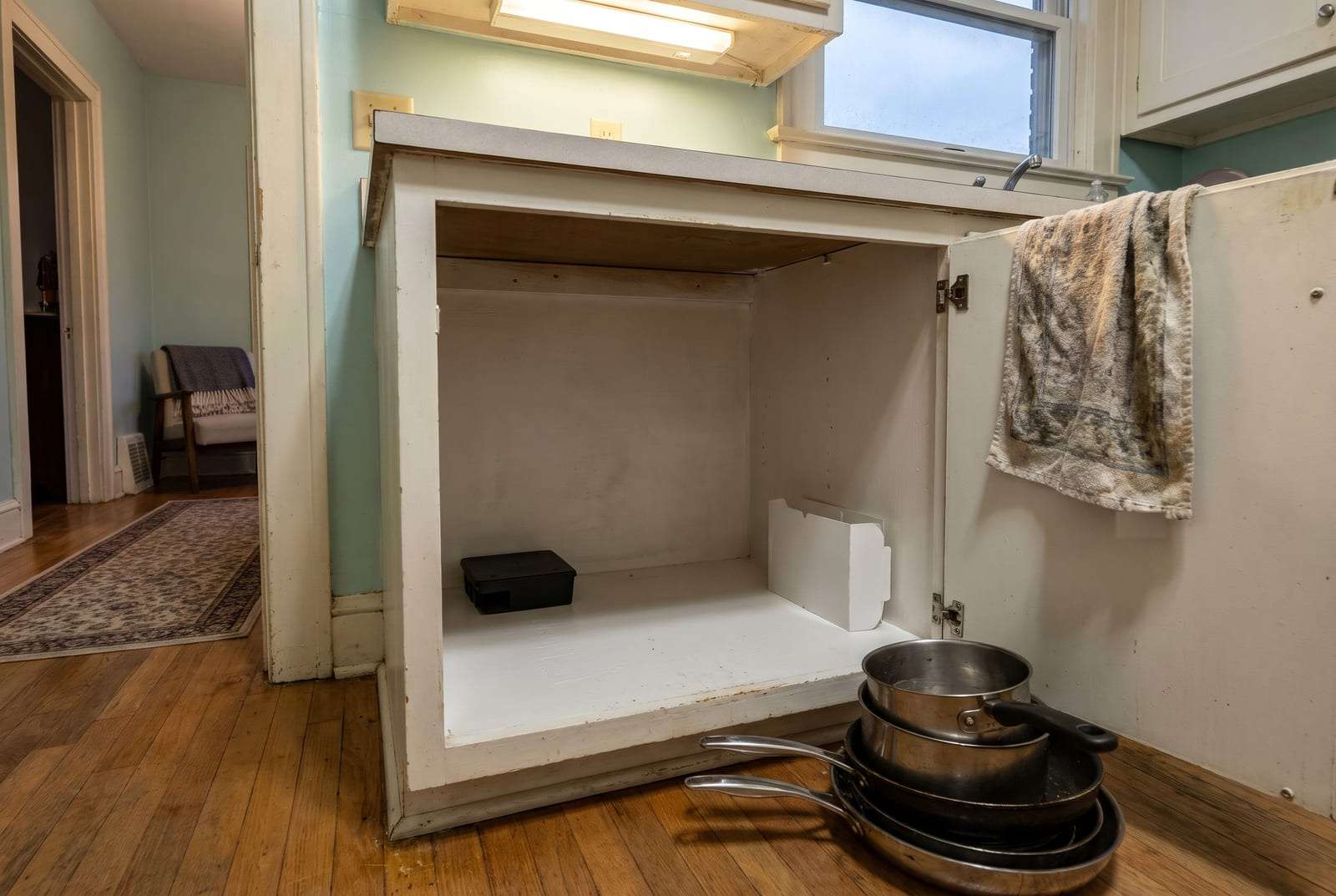
Ants and cockroaches turn up in every kind of Lancaster building, from brick rowhouses in the city to farmhouses and newer subdivisions in the county. Ants usually come in from outside, following a scent trail to food or water; cockroaches more often ride in on boxes, grocery bags or a secondhand appliance, or come through a shared wall.
Marticville Pest Control treats both in homes, rentals and small businesses, starting from where the insects get in or breed. In kitchens and baths the usual tools are baits and sticky monitors set in cleared cabinets and along insect routes, not a spray across counters where food is made.
Ants and Cockroaches Found in Lancaster Houses
German cockroaches live and breed indoors, close to food and water. The small ants nest in wall voids, under slabs or just outside, and the larger roaches come up from drains and damp basements.
| Pest | What it looks like | Where it turns up | Telltale sign |
|---|---|---|---|
| Odorous house ant | 1/8 inch or less, dark brown to black | Kitchen counters and sinks, often after rain | Smells like rotten coconut when crushed |
| Pavement ant | About 1/8 inch, dark brown | Basement floors and slab edges | Little piles of sand by a crack |
| Carpenter ant | 1/4 to 1/2 inch, black | Window frames, porches, damp wood; at night | Coarse sawdust below trim |
| German cockroach | About 1/2 inch, tan, two dark stripes behind the head | Under sinks, behind the refrigerator | Specks like ground pepper, egg cases |
| American cockroach | About 1½ inches, reddish brown | Floor drains and boiler rooms | Large droppings with blunt ends |
| Oriental cockroach | About 1 inch, shiny black | Damp basements and crawl spaces | A strong, musty smell |
| Pennsylvania wood cockroach | About 1 inch, brown with pale edges | Porch lights in late spring; firewood | Strays that do not breed indoors |
Size, color, place and time of day usually narrow a sighting down.
What Is in My House?
Choose the size, color, place and time, then press Show Likely Pest.
Following an Ant Trail Back to the Nest
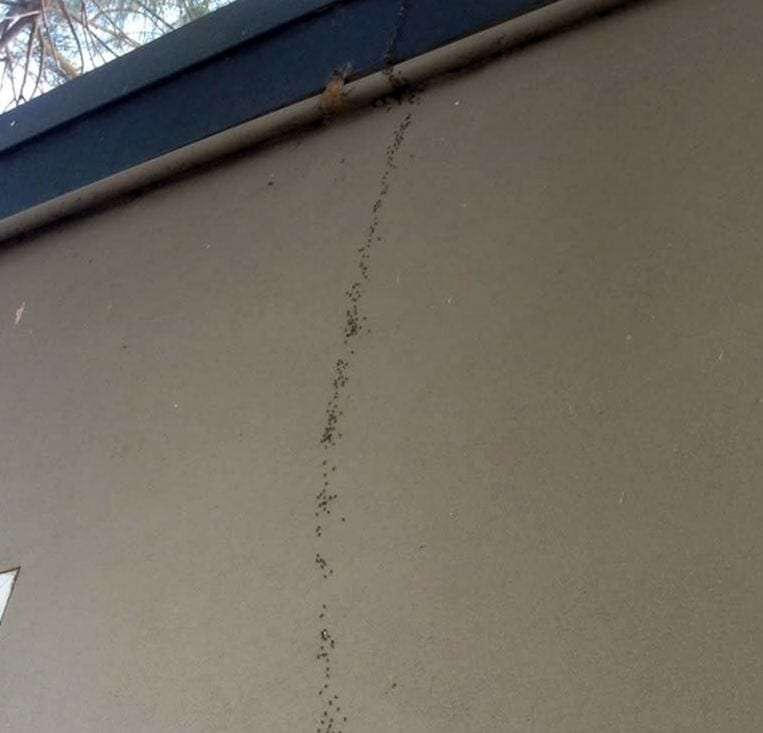
An ant trail is a scent path between the nest and food or water the workers found. Wiping up the ants does little while the nest is untouched, and a store-bought spray kills the foragers in sight, leaves the colony and can split it into new nests.
The usual approach is to follow the trail back: along a baseboard to a gap at a window, or down the siding from under a gutter. Odorous house ants and pavement ants take bait well, because the workers carry it home and share it. Outside, a treated band along the foundation cuts off the way in.
Carpenter ants are a different case. They do not eat wood but hollow it out to nest, usually where it has stayed damp: a leaking window frame or a porch post. Soft wood near the nest may call for a termite inspection to tell the two kinds of damage apart.
German Cockroaches in Kitchens and Restaurants
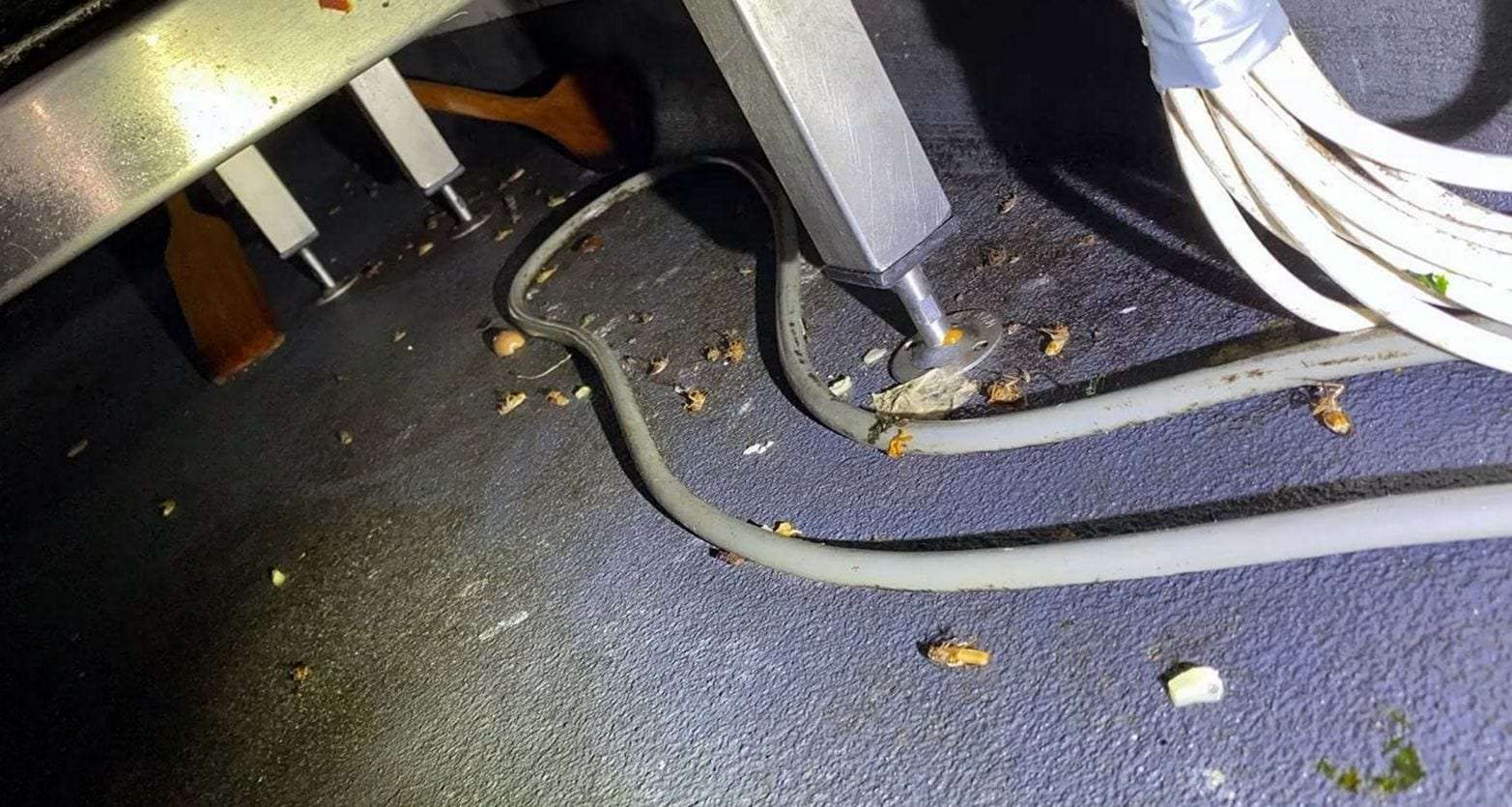
German cockroaches spend the day packed into warm, tight spots near water: behind the refrigerator and the stove, under the sink, in cabinet hinges and inside appliance motors. One seen in daylight usually means many more out of sight. Their signs collect where they rest: specks like ground pepper, shed skins and brown egg cases.
In restaurants the same signs gather under cooking equipment and around cords and floor drains, and commercial kitchens can be put on recurring service visits scheduled around how the kitchen is used.
Treatment usually combines gel bait in cracks and hinges, an insect growth regulator that keeps the young from maturing, and sticky monitors that show whether numbers are falling. Foggers are best avoided: they rarely reach roaches inside walls and can scatter them into new rooms.
Kitchen Trails, Bathroom Roaches and Ants After Rain
| Symptom | Likely cause | Usual remedy |
|---|---|---|
| Tiny ants in a line across a counter | Odorous house ants from a wall void or mulch outside | Bait on the trail and a sealed entry gap |
| Ants indoors after a heavy summer rain | Flooded outdoor nests moving to drier ground | Foundation treatment; mulch pulled back from the siding |
| Roaches scattering when the bathroom light goes on | German cockroaches behind the vanity or toilet tank | Gel bait and monitors; sealed gaps at the pipes |
| A large roach by a basement floor drain | American or Oriental cockroaches from the drain line | Water in the trap, a sound cover, treatment at the drain |
| Roaches back soon after cleaning in a rowhouse | Roaches moving through shared walls and pipe chases | A sealed shared wall; connected homes treated together |
Lancaster’s attached rowhouses share more than a wall: plumbing chases, wiring runs and gaps along the floor joists connect one house to the next, and German cockroaches use all of them. Humid summers add to it, as damp basements and sweating pipes give roaches and ants water.
Why do ants show up indoors after a heavy rain or a warm spell?
Heavy rain floods the shallow nests ants keep under mulch, stones and slabs, so the workers move toward drier ground and steady food. A warm spell in late winter instead wakes colonies already living in the walls or under the floor, so ants can appear indoors before any are seen outside.
Why do cockroaches keep coming back in an attached home?
German cockroaches travel along shared walls, around pipes and wiring and under the floors between units, so one infested kitchen can restock the homes beside it. Sealing the shared side and treating the connected homes at the same time leaves them fewer places to retreat.
Getting Sinks, Cabinets and Food Storage Ready
Baits and monitors go where the insects travel, so the space under each sink and in the lower cabinets should be open on treatment day.
- Empty the cabinets under the kitchen and bathroom sinks.
- Move cereal, sugar, flour and pet food into sealed containers.
- Clear the lower cabinets beside the stove, the sink and the dishwasher.
- Mark where trails start or roaches appear with a strip of painter’s tape.
- Hold off on store-bought sprays near the trails; they can keep insects away from baits.
Ants or Roaches at Home or Work
Call or send a request, and say which rooms they show up in.