
Keeping Pests Out Before a Lancaster Winter
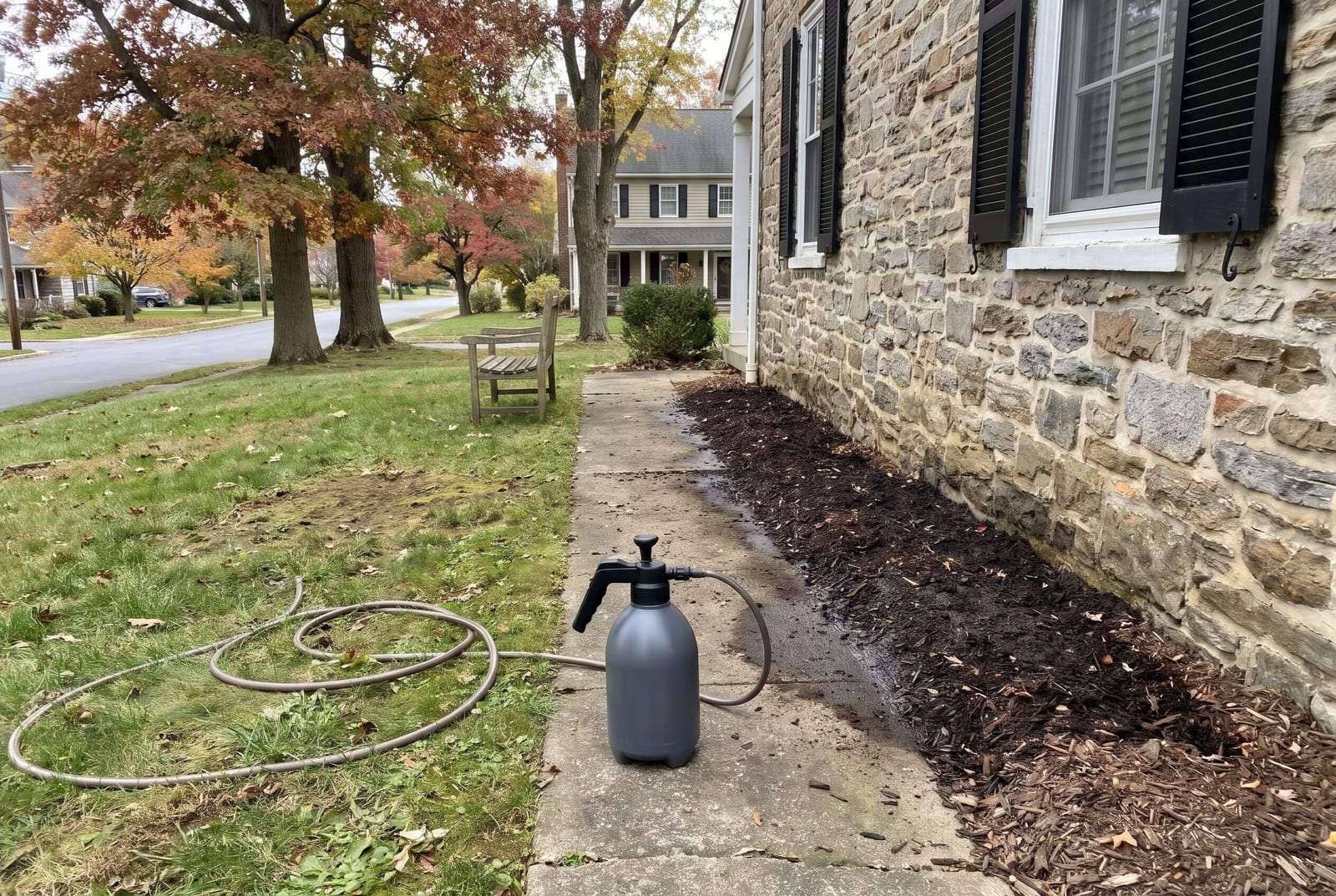
When the nights turn cool in September, the insects and rodents that spent the summer outdoors start looking for a warm place to wait out the winter. A house with gaps at the foundation, around pipes or along the roofline offers one, and by the first frost many of them are already inside the walls.
Fall pest-proofing means closing those gaps and dealing with whatever has already moved in, from mice in the walls to spiders in the basement. The earlier in the season it starts, the fewer pests are inside to deal with.
Mice, Clustering Insects and Spiders in the Fall
Fall pests leave the same clues year after year, and where a sign shows up says a good deal about what is behind it.
| Symptom | Likely cause | Usual remedy |
|---|---|---|
| Scratching inside a wall or ceiling in October, loudest at night | House mice moving in as the nights cool | Traps along the routes they run, and the gaps at the foundation, vents and roofline sealed |
| Stink bugs or boxelder bugs clustered on sunny siding | Insects gathering to spend the winter in wall voids and attics | Caulking cracks around windows, siding and vents, mending screens, vacuuming any that get in |
| Slow, clumsy flies at attic and upstairs windows | Cluster flies that crawled in under the siding and soffits | Screening attic vents, sealing gaps at the eaves and vacuuming the flies already inside |
| Spiders and webs in basement corners and window wells | Spiders following the insects drawn in by the warmth | Clearing webs and clutter, sealing basement window gaps, and general pest control if they keep coming |
Freeze-thaw cracks and harvested fields. Lancaster County winters freeze and thaw over and over, opening new cracks in foundations and mortar joints, so a house sealed a few years ago can have fresh gaps by fall. And once the corn and soybean fields are harvested, the mice living in them lose their cover and head for the nearest buildings; farmhouses and homes backing onto fields often see them first.
When to Start Sealing Up for Winter
The jobs that keep pests out work best before the pests start looking for a way in. Once mice are nesting indoors, sealing alone shuts them in with the household, so trapping comes first or alongside it.
When should a Lancaster house be pest-proofed for the fall?
Late August through September is the best window: the weather still suits caulking and outdoor work, and few mice or overwintering insects have moved in yet. Stink bugs and boxelder bugs tend to gather on warm walls from late September, and mice push indoors through October and November as the fields are cleared.
Later work still helps. Gaps can be sealed on any mild, dry day, and mice already inside can be trapped through the winter.
Which pests stay active indoors through the winter?
Cold slows the insects outside, not the ones living in a heated house. German cockroaches, house mice and bed bugs keep breeding indoors all winter, and silverfish stay busy in damp basements and bathrooms.
Ants seen indoors in January usually mean a nest inside the house, often carpenter ants in damp wood, rather than ants wandering in from the yard.
Do stink bugs and boxelder bugs harm a house?
They do not bite, damage the structure or breed indoors over the winter. Stink bugs give off a sharp smell when crushed and boxelder bugs can stain curtains, so the usual advice is to vacuum them up and empty the vacuum outdoors rather than swat them.
Screens, Caulk and Sealed Openings
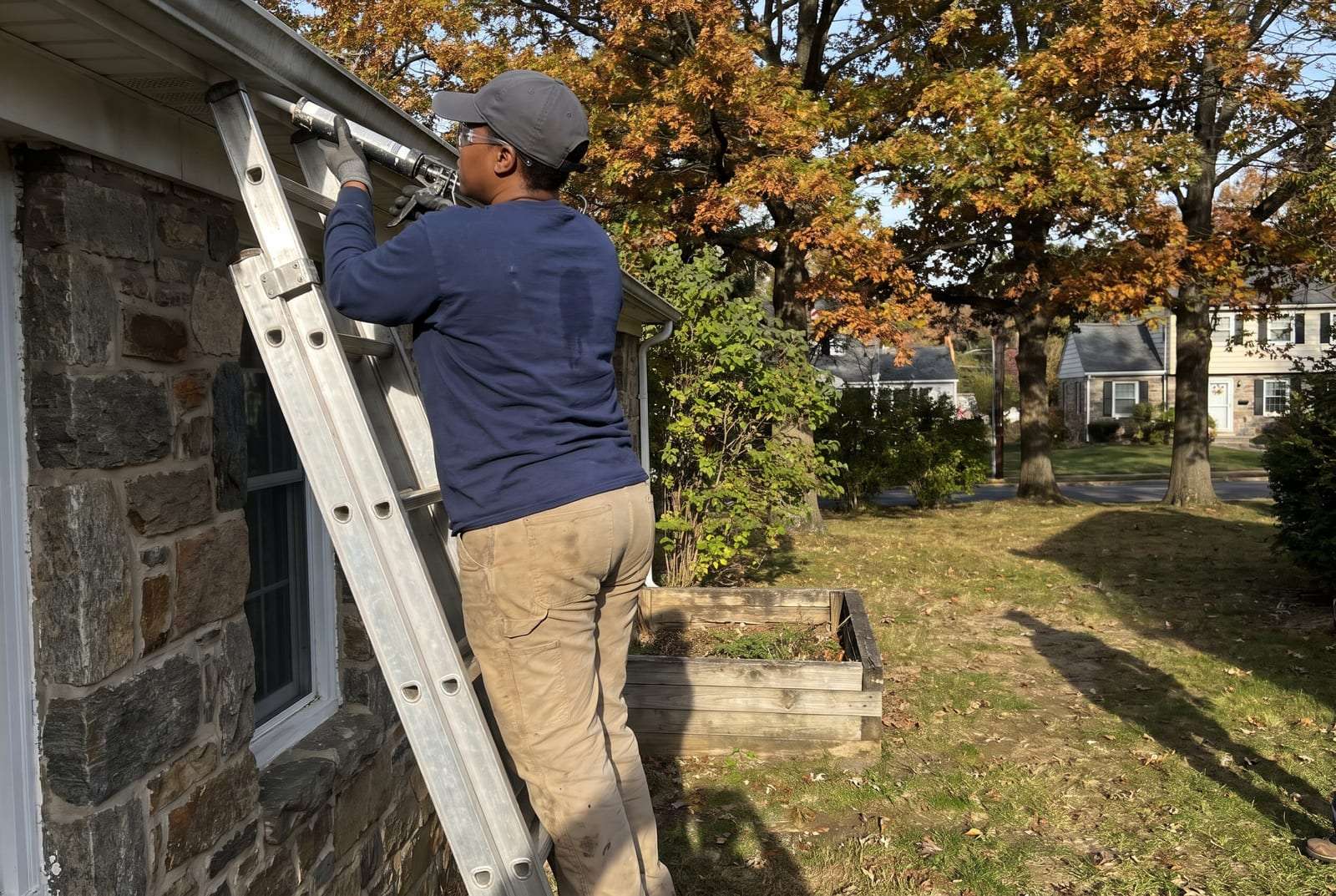
A mouse can squeeze through a gap about the width of a pencil, so the openings that matter are often small: where the gas line, water pipe or cable enters, under garage and basement doors, in missing mortar, at torn vent screens and along the joint where the roof meets the siding. Sealing them with materials mice cannot chew, such as steel wool covered with sealant, sheet metal or hardware cloth, is the part of mouse and rat control that goes alongside trapping; without it, new mice find the same way in.
Stink bugs, boxelder bugs and cluster flies need even less room. For them the trade’s usual remedy is tight screens on windows and attic vents, caulk along window and door trim and siding joints, and a vacuum for any that still get in.
Most of the jobs on a fall list are within a homeowner’s reach on a dry afternoon.
Fall Pest-Proofing Checklist
Tick the jobs that are done, then press Show What Is Left.
Attic, Basement and Yard Access for a Fall Visit
Fall work happens at the edges of the house, and a visit goes faster when those edges are easy to reach.
- Clear a path to the attic hatch or stairs, and pull stored boxes back from the eaves where you can.
- Make the basement walls and corners reachable, including the wall behind the washer and the furnace.
- Move bikes, tools and stacked boxes away from the garage walls and the door into the house.
- Trim shrubs and vines back from the siding so the foundation and lower walls can be seen.
- Stack firewood away from the house walls and off the ground.
- Note the rooms where you have seen droppings, flies or stink bugs, or heard scratching in the walls.
Fall Pest-Proofing Around Lancaster
Mice scratching in the walls or spiders settling into the basement are worth a call before the cold sets in, or send a service request with what you have noticed.