
Our Approach to Pest Control
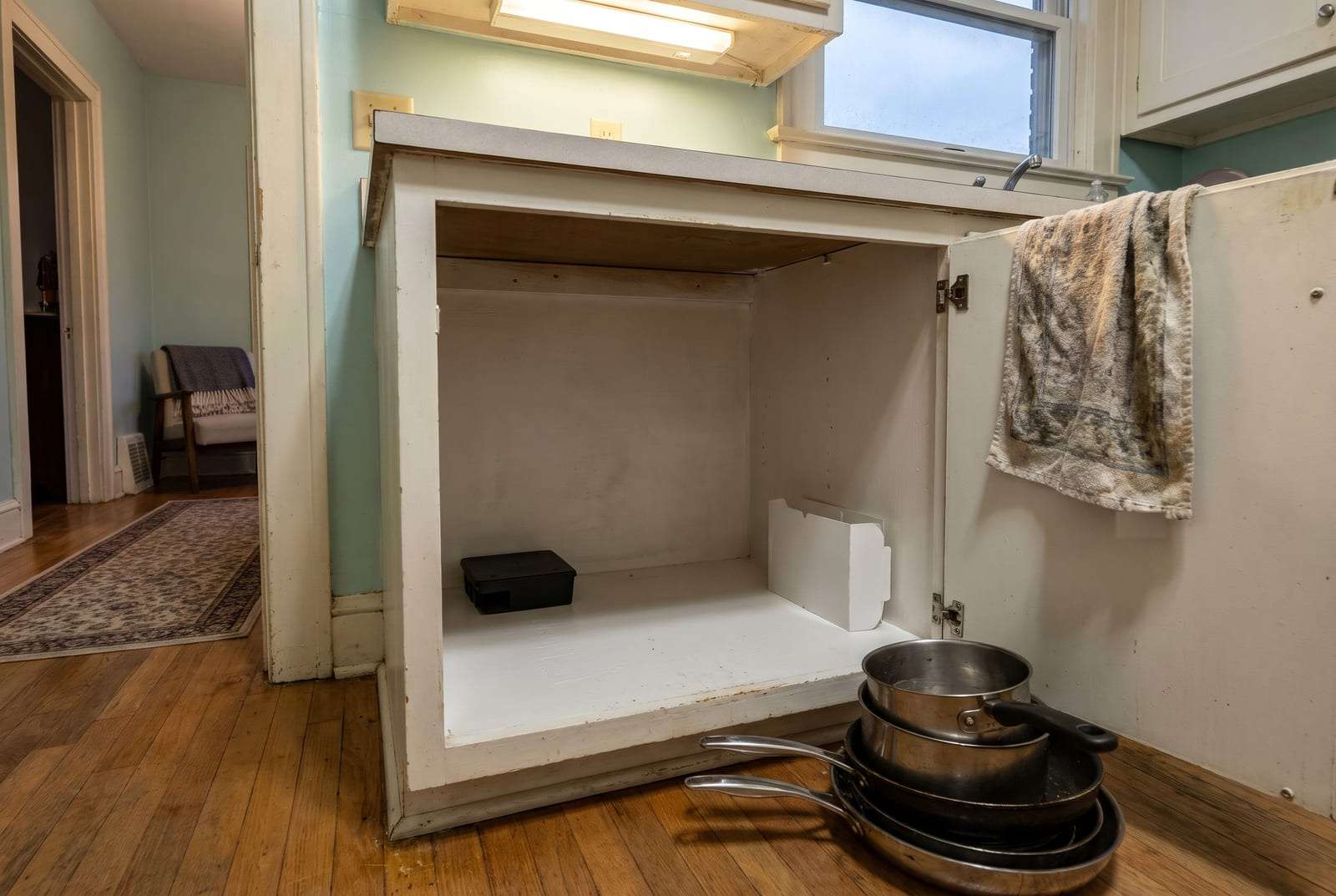
Marticville Pest Control’s work is built around inspection first. Before any product goes down, the first job is finding the cause, whether that is a nest in a wall, a moisture problem under a sink or a gap under a door. Only then is a treatment chosen, one that fits what the inspection found.
The order matters because one sighting can have several causes. Ants on a kitchen counter may be foraging from a colony outside or nesting in a damp wall. Mice in a pantry may live in the house or come in each night from a garage or a woodpile. A spray on the counter or a trap in the pantry deals with what is in sight; an inspection finds where it starts.
The Order of Work on a Pest Job
Most pest control jobs pass through the same stages. Some are settled in one visit; others, such as bed bugs and German cockroaches, usually need more than one treatment, and termite work is judged over months rather than days.
| Stage | What happens | What you do |
|---|---|---|
| Assessment | The technician looks for the pest, its signs and the conditions behind it: droppings, trails, nests, damp wood and gaps around pipes, vents and doors. | Point out where and when you have seen activity, and clear the way to the areas involved. |
| The options | The findings are matched to choices such as bait, a targeted spray or dust, traps, sealing or a moisture fix. | Ask what each option uses, where it goes and how long it takes to work. |
| The work | Products go only where the label allows, and gaps are closed with metal mesh, hardware cloth, sealant or a door sweep. | Keep people and pets out of treated areas as long as the label says, and leave baits and traps in place. |
| Monitoring for results | Monitors, traps and the household’s own sightings show whether activity is dropping off or whether more treatment or sealing is needed. | Note new sightings with the date and the place, and pass them on. |
Older foundations, damp crawl spaces and Pennsylvania winters. Many older Lancaster County houses stand on fieldstone foundations with loosened mortar, and the gaps between the stones let mice and insects in; a termite treatment around such a wall also takes more care than one along poured concrete. A damp crawl space draws termites, silverfish and spiders, so a vapor barrier or a downspout carried away from the wall can matter as much as any product. In winter, outdoor treatments usually wait for ground that is neither frozen nor soaked, so the cold months lean on baits, traps and sealing indoors.
Pesticide Law and Safety Rules in Pennsylvania
Pest control is a regulated trade: federal law governs the products and their labels, and the Pennsylvania Department of Agriculture oversees the businesses and the people who apply them for hire. These rules hold for any company that treats a home in the state.
| Rule | What it means in a home | Why it matters |
|---|---|---|
| Applicator certification | Anyone who applies pesticides in a home for pay must be certified by the Pennsylvania Department of Agriculture or work under the supervision of a certified applicator. | Certification means passing state exams on safe use, and keeping it takes continuing training. |
| Following the product label | The label says where a product may go, how much may be used and what precautions come with it. | Using a pesticide in a way its label does not allow breaks federal law. |
| EPA-registered products | Nearly every pest control product carries an EPA registration number on its label, and you can ask for it. | The number shows the EPA has reviewed the product for the uses on its label, and it lets you look that label up. |
| Tamper-resistant rodent bait stations | Rodent bait set where children, pets or other animals could reach it goes inside a locked station. | A station lets mice and rats reach the poison bait but keeps hands and paws out. |
| Re-entry intervals | The label sets when people and pets may go back into a treated area; for many indoor sprays, that is once the spray has dried. | Waiting out the interval keeps skin, paws and toys off wet product. |
Asking About the Product and Where It Goes
These are fair questions to put to any pest company before a treatment starts.
- Which product will be used, and what is its EPA registration number?
- Where will it go: into cracks and crevices, inside bait stations, in a band around the outside, or across open surfaces?
- How long should children and pets stay out of treated rooms, and what needs covering or putting away first?
- What signs will show that it is working, and how soon should they appear?
How can I judge whether a product is safe to use around pets and children?
Start with the label. Most pesticide labels carry a signal word: “Caution” marks the lowest level of acute hazard, “Warning” a moderate one and “Danger” the highest. The label’s precautions for people and pets apply in your home exactly as written.
Then look at where the product goes. Bait inside a station or gel pressed into a crack stays out of reach, while a spray across an open floor lands where a crawling child or a dog will be.
What does monitoring mean after a treatment?
Monitoring is how a job is checked. Sticky monitors, traps or bait stations stay in place, and what they catch, or stop catching, shows whether activity is falling and where any is left. A dated list of your own sightings shows the same trend.
For termites, it can mean bait stations in the soil around the house, checked over months; for bed bugs, interceptor cups under the bed legs.
Sealing and Repairs as Part of the Treatment
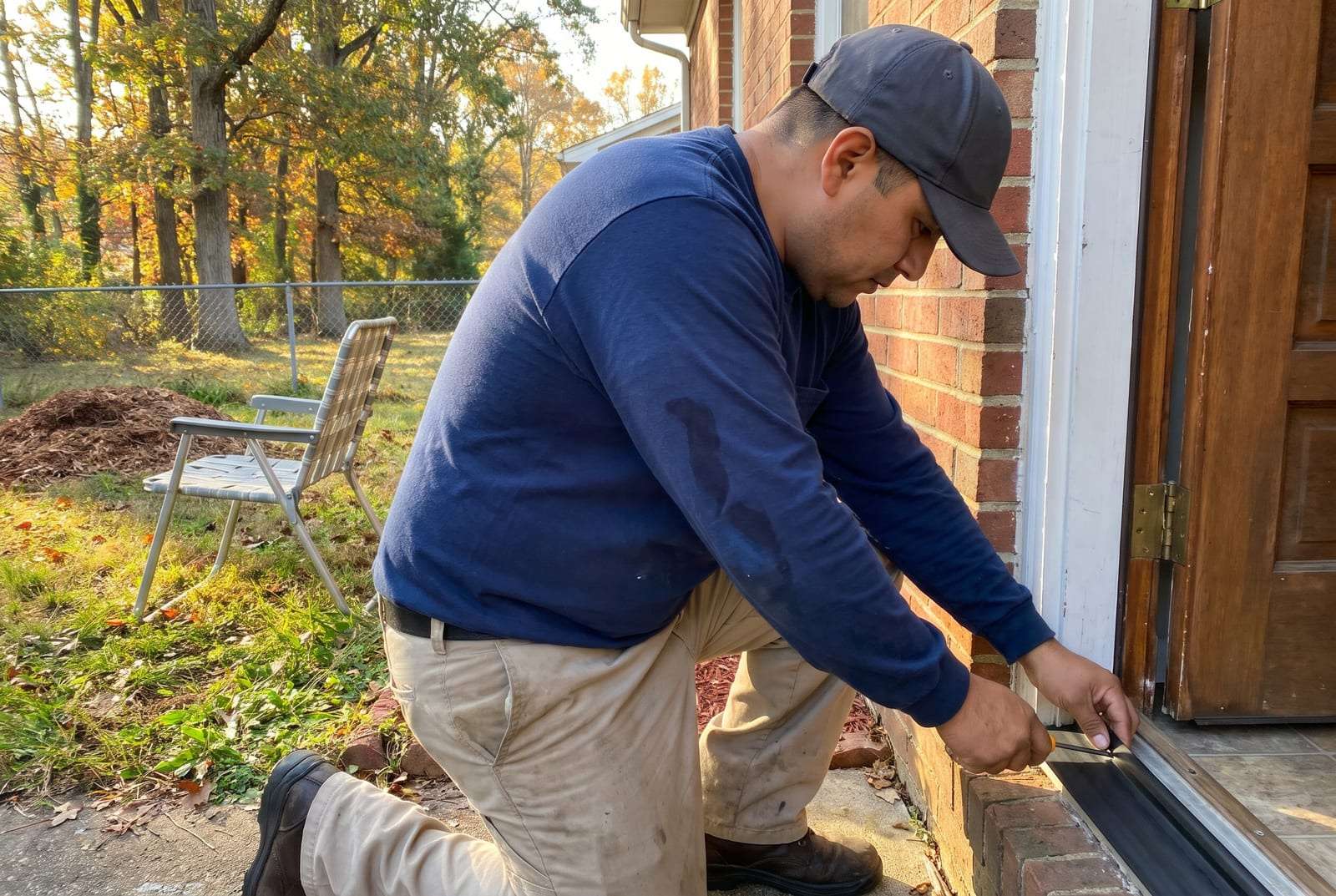
A treatment that fits what was found is not always a product. A gap under a door that lets in mice, ants and spiders is closed with a threshold seal or a door sweep. A damp corner that keeps drawing silverfish needs its leak or its downspout fixed; otherwise the silverfish come back after any spray.
For mice and rats, sealing goes alongside trapping; once the traps are gone, the closed gaps are what keep new ones out.
Start With What You Have Seen
Call or send a request describing what you have noticed and where, and the work begins with finding the cause.