
Bed Bug Treatment for Lancaster Homes and Rentals
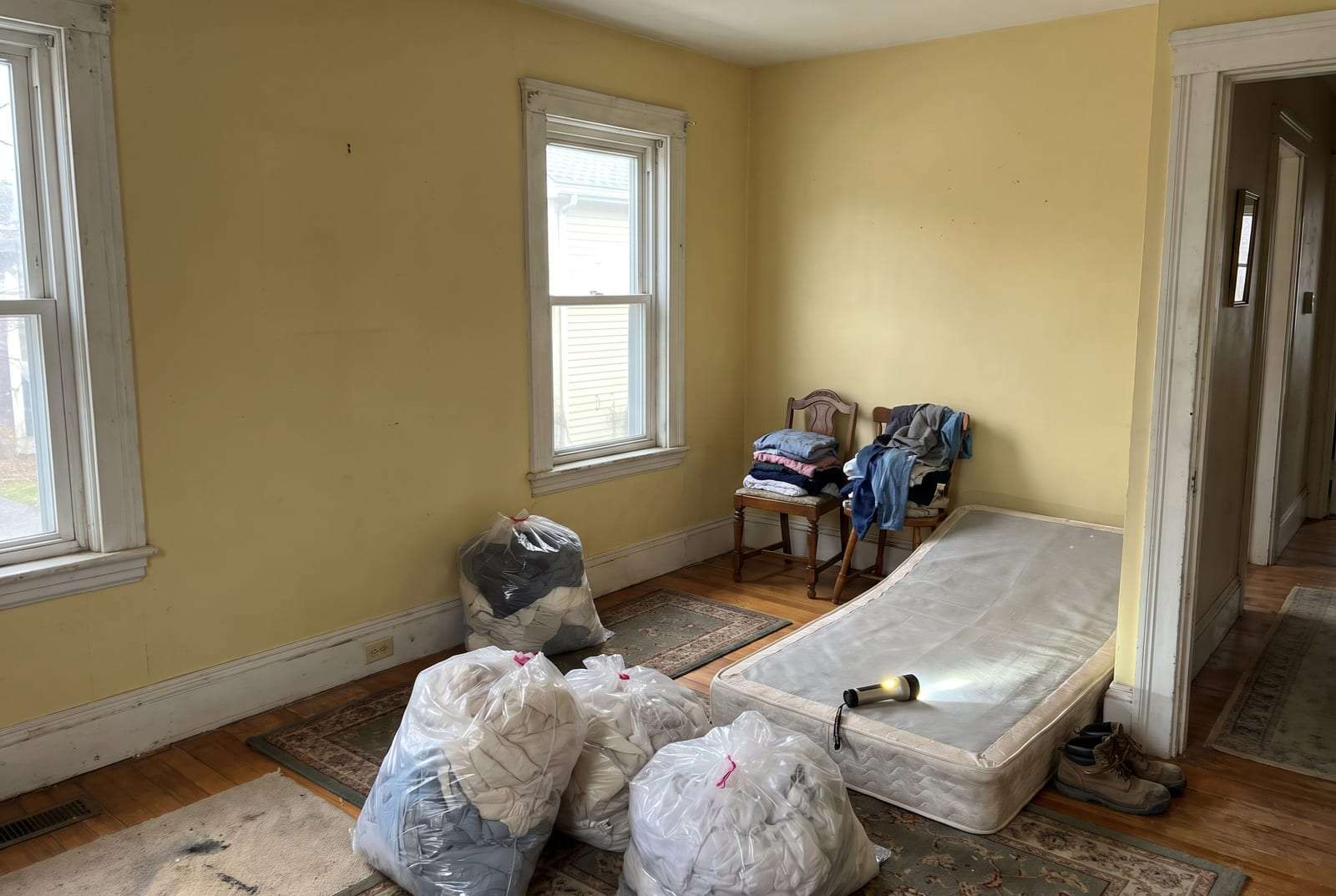
Bed bugs are small, flat insects that hide near where people sleep and feed on blood, mostly at night. They turn up in houses, apartments and rentals of every kind, and they have nothing to do with how clean a home is: they arrive in bags, boxes and furniture, then settle into the seams nearest the bed.
Getting rid of them is shared work. The household prepares the bedroom, and the treatment goes where the bugs are found, whether that is one mattress or a whole apartment.
Telling Bed Bug Bites From Flea and Mosquito Bites
Bites are usually noticed first, yet they are the least reliable sign. Bed bug bites can raise a welt on one person and leave no mark on the person sharing the bed, and marks can take days to appear. Only a doctor can diagnose a rash; a pest company identifies the insect.
| Mark or sign | Bed bug | Flea | Mosquito |
|---|---|---|---|
| Where on the body | Skin left uncovered in bed: arms, shoulders, neck, face | Ankles and lower legs | Any skin left bare outdoors |
| Pattern | A short line or a small cluster | Tight groups of tiny red spots | Single bumps, scattered |
| When the marks appear | Noticed in the morning, sometimes days later | Soon after time near pets or carpet | Within minutes, often after an evening outside |
| Signs off the skin | Dark spotting, shed skins and live bugs in mattress seams | Pets scratching, black specks in pet bedding | Usually none indoors |
| Time of year | All year, indoors | Warm months, or all year with pets | Late spring to the first hard frost |
Mattress Seams, Bed Frames and Other Hiding Places
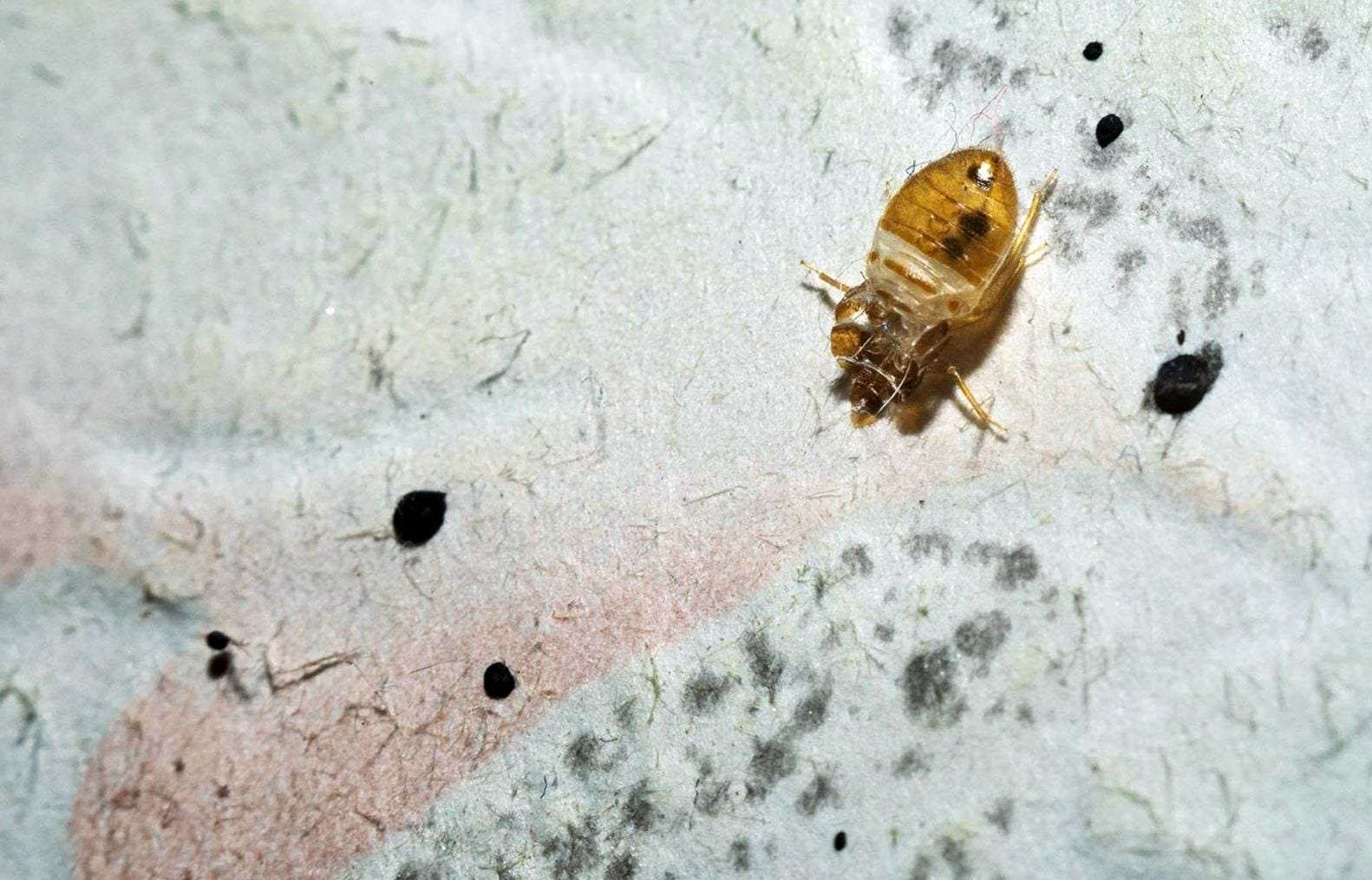
Adult bed bugs are reddish brown, about the size of an apple seed and flat enough to slip into a crack the thickness of a credit card. Young ones, called nymphs, are smaller and pale until they feed. Eggs are white, about a millimeter long, and glued into seams in small clusters.
The signs are easier to find than the insects: dark spots that bleed into fabric like marker ink, pale shed skins and, in a heavy infestation, a sweet, musty smell. Most bed bugs stay within a few feet of the bed.
| Location | What to look for | Why they hide there |
|---|---|---|
| Mattress seams and piping | Spotting along the stitching, shed skins, eggs in the folds | The nearest dark cover to a sleeping person |
| Box spring | Spotting at the corners and on the thin fabric underneath | Wood framing and staples inside offer cracks |
| Bed frame | Bugs and spotting in screw holes, joints and inside corners | Tight joints within a short crawl of the mattress |
| Headboard | Spotting on the back and where it meets the wall | Seldom moved, and it bridges the bed and the wall |
| Nightstands and furniture joints | Spotting in drawer corners, under the runners and in joints | Close to the bed and rarely taken apart |
Luggage, Used Furniture and Shared Walls
Bed bugs cannot fly or jump; they travel by being carried. Once inside a building they also crawl through wall voids and along pipes and wiring, which matters in apartment buildings and in Lancaster’s brick rowhouses, where neighbors share a wall.
How do bed bugs end up in luggage?
In an infested hotel room they hide in the headboard and mattress seams, then climb into a suitcase left open on or beside the bed. A luggage rack away from the bed lowers the chance.
Back home, unpack outside the bedroom, wash and hot-dry the clothes at once, and check the bag’s seams and zipper tracks before storing it.
Is a secondhand bed, couch or dresser safe to bring home?
Used furniture is one of the usual ways bed bugs move between homes, mattresses and upholstered pieces above all. Check every seam, the dust cover, the screw holes and the drawers before bringing a piece indoors, and pass by any curbside mattress.
How do bed bugs spread in apartment buildings and student rentals?
Besides the wall voids, they move between units under doors, along hallways and on belongings carried to a shared laundry room. That is why the units beside, above and below an infested one are usually checked as well.
Student rentals near the campuses in Lancaster and Millersville see furniture handed from tenant to tenant, frequent guests and trips home at every break. Tenants who notice signs should tell the landlord early, and landlords can have a unit checked between tenants.
Stripping, Bagging and Vacuuming the Bedroom
Good preparation opens every seam and joint to the treatment and keeps bed bugs from reaching other rooms.
- Strip the bed and seal the sheets, pillowcases, blankets and mattress pad in clear plastic bags inside the room.
- Carry the sealed bags straight to the washer, then dry everything on the hottest setting the fabric allows for at least 30 minutes.
- Clear clothes, shoes, books and boxes off the floor and from under the bed.
- Vacuum the mattress seams, bed frame, baseboards and carpet edges, and take the bagged vacuum contents to an outside trash can.
- Leave furniture and belongings in the room; moving them elsewhere in the house spreads the problem.
- Keep sleeping in the same bed, since bed bugs follow a person who moves to the couch.
- Do not use store-bought foggers or “bug bombs”: they miss the seams and cracks, and they tend to drive bed bugs into the walls and the rooms next door.
Clearing Bed Bugs From a House or Apartment
The treatment is chosen after the inspection, as described in Our Approach: one infested mattress is a different job from bed bugs spread through a couch, two bedrooms and the unit next door. The trade’s usual tools include insecticides labeled for bed bugs worked into seams, cracks and voids, heat for bedding and clothing, steam along mattress seams, and zippered encasements that trap any bugs left inside a mattress or box spring.
Bed bug eggs hold up against many treatments, so a follow-up visit for newly hatched nymphs is common in the trade. A mattress beyond saving should be wrapped in plastic before it leaves the room and marked as infested.
A Bed Bug Inspection Before Anything Is Thrown Out
Call or send a request naming the rooms where the bites or spotting turned up, and an inspection can be arranged.