
Pest Checks for a New or Vacant Lancaster Property
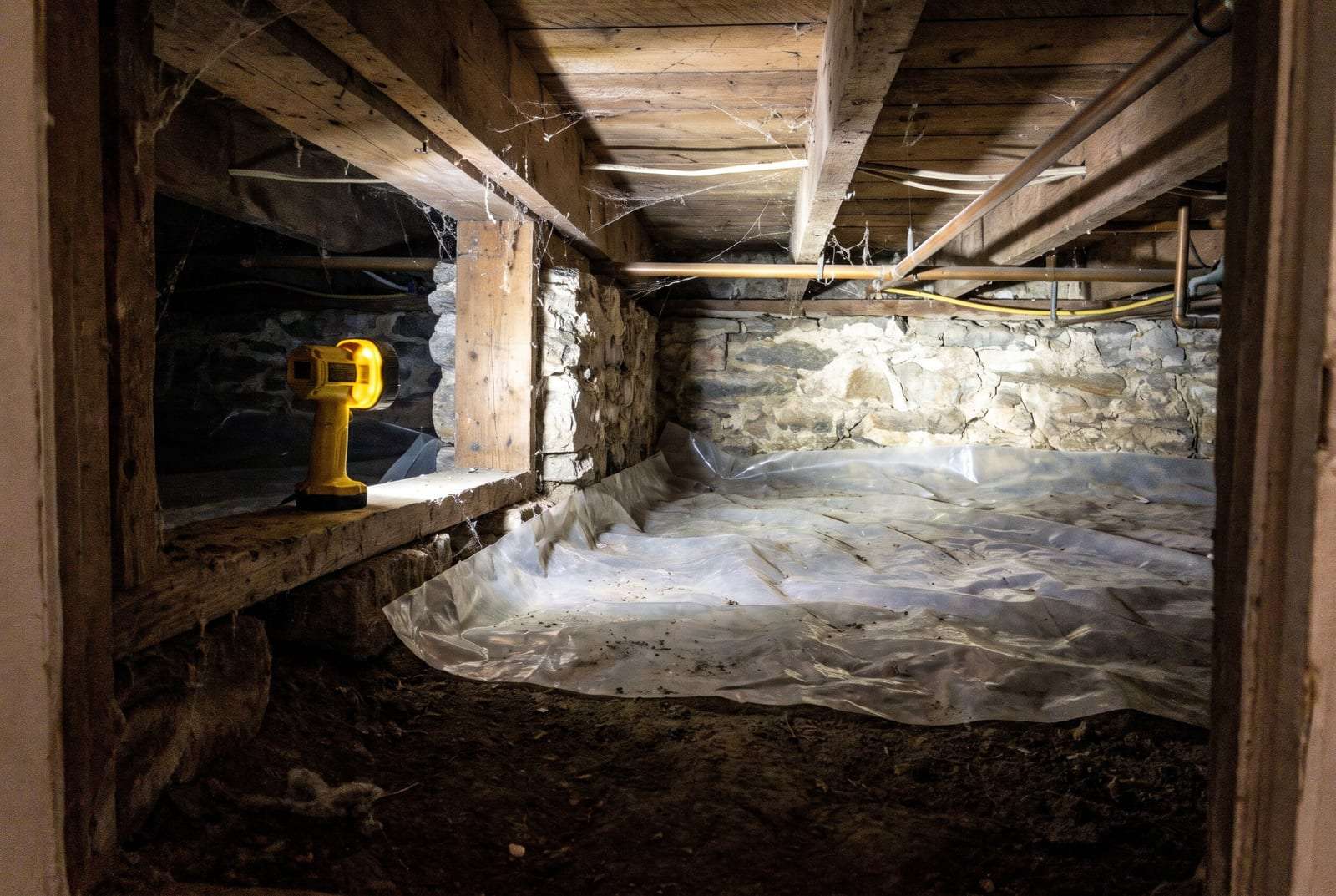
A house that stood empty for a season, or one that has just changed hands, can hide a pest problem nobody was around to notice. With no one living there, mice nest in quiet rooms, wasps build under the eaves, and insects settle into damp basements and crawl spaces without being disturbed.
A pest check before or soon after moving in looks at those places while the rooms are still empty and easy to see. It suits buyers, new tenants and landlords between tenants, and it comes before any treatment, so the treatment fits what was actually found.
Pests That Settle In During a Vacancy
Empty houses tend to show the same handful of signs, each with a likely cause and a usual remedy.
| Symptom | Likely cause | Usual remedy |
|---|---|---|
| Droppings in closets, drawers or empty rooms | Mice if the droppings are the size of a grain of rice, rats if closer to a raisin | Trapping, sealing the gaps they used, then a careful cleanup |
| Musty crawl space with soft or crumbling wood | Damp wood decaying, termites, or both | A termite inspection to tell insect damage from rot, then drying the space and repairing the wood |
| Old paper nests in the eaves or a shed | Wasps or hornets from a past season | Scraping off an empty nest in winter; an active one is a job for nest removal |
| Ant trails in the kitchen after move-in | A colony that settled in during the vacancy, drawn out by new food | Following the trail to the nest and baiting rather than spraying, which can split the colony |
| Bites in a bedroom that sat empty for months | Fleas from a previous pet waiting in the carpet, or bed bugs in furniture left behind | Identifying the insect first: fleas call for vacuuming and floor treatment, bed bugs for a full bed bug treatment |
Old stone and brick houses. Many farmhouses and rowhouses around Lancaster have wooden sills resting directly on stone or brick, and their basements take on water after heavy rain. A vacancy makes both worse: with the heat off and nobody running a dehumidifier, damp wood stays damp, and the sills and joists closest to the ground soften first.
Droppings in Empty Rooms and Attics
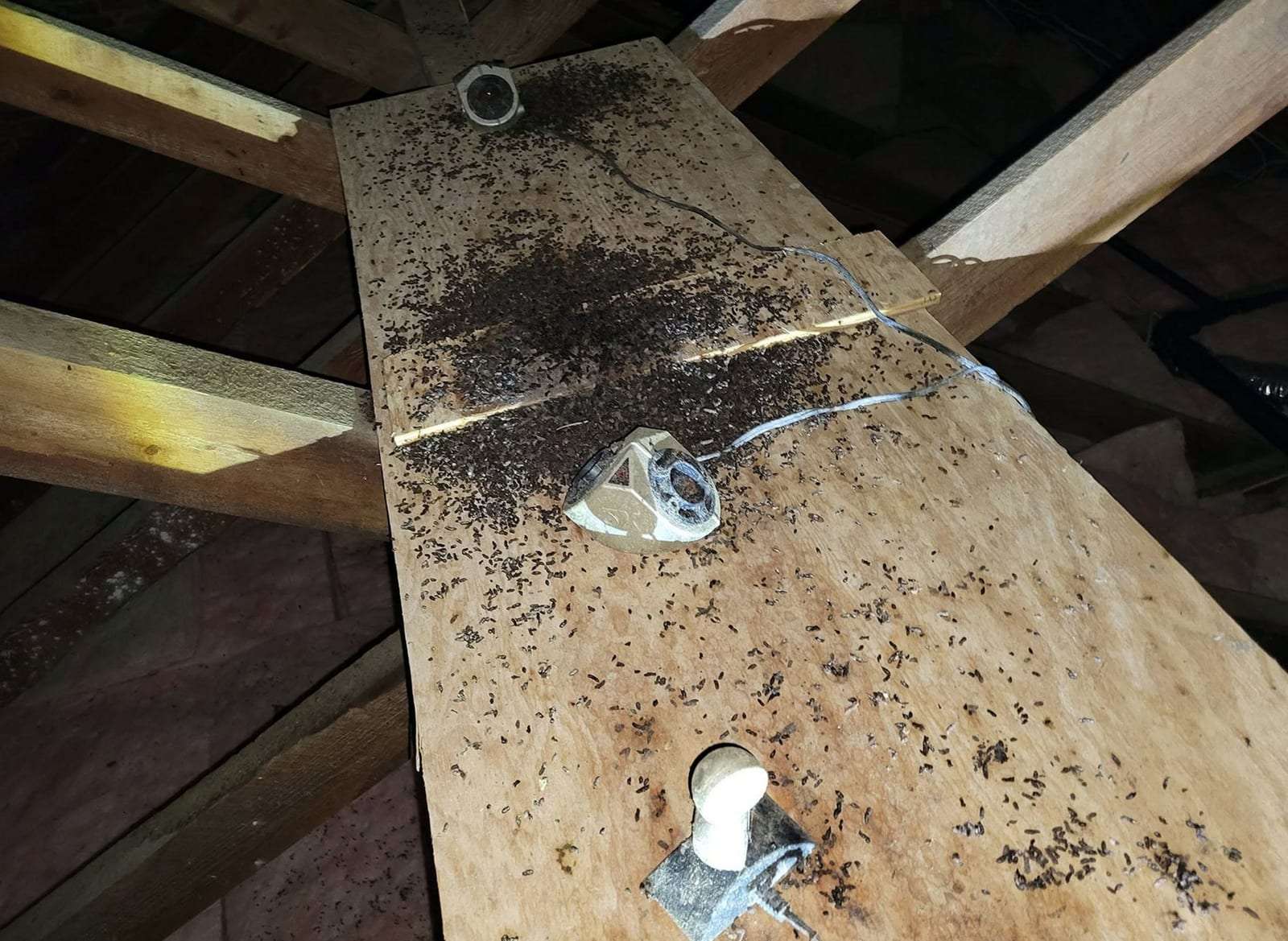
Mice leave droppings along the routes they travel: the backs of drawers, the tops of insulation, attic boards and the corners of empty closets. Fresh droppings are dark and soft, old ones gray and crumbly. A heavy scatter in an attic usually means mice used the space for a long time, and chewed wiring or torn insulation nearby is worth pointing out.
Once they have been seen, clean them up with care: wear gloves and wet the droppings with a household disinfectant before wiping them up, rather than sweeping or vacuuming them dry, which lifts dust into the air. Trapping and sealing the gaps the mice used, the two halves of mouse and rat control, keep a new family from moving into the same spots.
Decay and Termite Damage in Old Sills
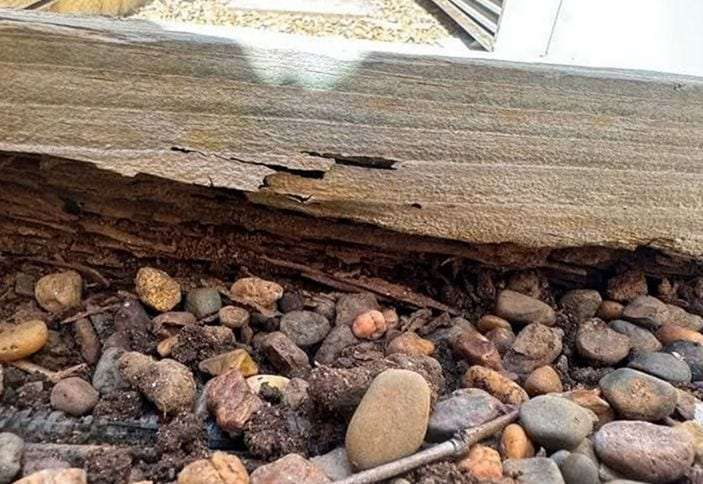
A sill eaten away along its underside, where it rests on stone or soil, can be decay from moisture, the work of subterranean termites, or both, and the two can look alike at a glance. Termites pack mud into their galleries and build mud tubes up foundation walls and piers; rot leaves wood that is soft, stringy or cracked into small cubes.
Termite inspections are available for buyers, sellers and owners who have found damaged wood. Leave any mud tubes in place until then, since they show where the termites travel and whether they are still active.
Buying an Older House in Lancaster County
A pest inspection is usually separate from the general home inspection, and it is easiest to arrange during the inspection period, before closing. An older house deserves the closer look.
What does a pest inspection of a house look at?
A technician usually works from the outside in: the foundation, the sills and any wood touching soil, the eaves and roofline, then the basement or crawl space, the attic, the garage and the rooms with plumbing. The search is for droppings, nests, mud tubes, damaged wood and shed wings, and for the gaps and damp spots that let pests in.
It covers what can be seen and reached. Finished walls, stored belongings and spaces without access limit it, which is why clear access matters.
Is an older stone or brick house more likely to have pest problems?
Not always, but it has more places for them. Sills often sit close to the soil, porches and cellar entrances add wood near the ground, and additions built decades apart leave seams between them.
Ask the sellers whether the house has been treated for termites or other pests, and whether any records came with it.
Records to Find and Spaces to Clear
A few things gathered ahead of time make the inspection quicker and better aimed.
- Any home inspection or wood-destroying insect report from the sale, with the date it was done.
- Records of past pest or termite treatments from the seller, landlord or agent: what was treated, when and by whom.
- A clear path to the basement or crawl space entrance, the attic hatch, the garage and any outbuildings.
- A list of the rooms where you found droppings, insects, nests, bites or soft wood.
- Droppings, nests and mud tubes left where they are until they have been seen.
- How long the property stood empty, if you know.
Check the House While the Rooms Are Empty
Call or send a request with the address and any signs found so far; a check is easiest before the furniture arrives.